


Introduction
Structural engineers in Nigeria play a critical role in ensuring that buildings are safe, stable, and capable of lasting for many years without structural failure. Every successful construction project depends heavily on professional structural planning, accurate load calculations, and strict supervision during execution.
While architecture focuses on the visual appearance of a building, structural engineering ensures the building can safely withstand environmental forces, material loads, and long-term usage demands. Without proper structural engineering involvement, buildings may develop cracks, settlement problems, or even structural collapse over time.
This is why experienced structural engineers in Nigeria are involved from the earliest planning stage of construction projects through to final completion and inspection.
Structural Design and Load Calculations
One of the primary responsibilities of structural engineers in Nigeria is designing structural systems that can safely support buildings under different conditions. Every structure must be carefully calculated to withstand its own weight, occupant loads, equipment loads, and environmental forces such as wind and rainfall.
Structural engineers determine:
- foundation depth
- reinforcement requirements
- beam sizes
- column spacing
- slab thickness
These calculations ensure that the building remains stable throughout its lifespan.
Accurate structural design reduces the risk of cracks, deflection, and long-term settlement problems that often affect poorly supervised construction projects.
Site Assessment and Soil Investigation
Before construction begins, structural engineers in Nigeria evaluate site conditions to determine the most appropriate foundation system for the project. Soil conditions vary widely across different regions, especially in cities like Lagos where some areas contain waterlogged or soft soil layers.
Proper soil investigation helps engineers decide whether the building should use:
- raft foundation
- pile foundation
- strip foundation
- pad foundation
Selecting the correct foundation system ensures the building remains stable even under challenging environmental conditions.
Skipping soil assessment is one of the most common causes of structural failure in residential developments.
Supervision During Construction Execution
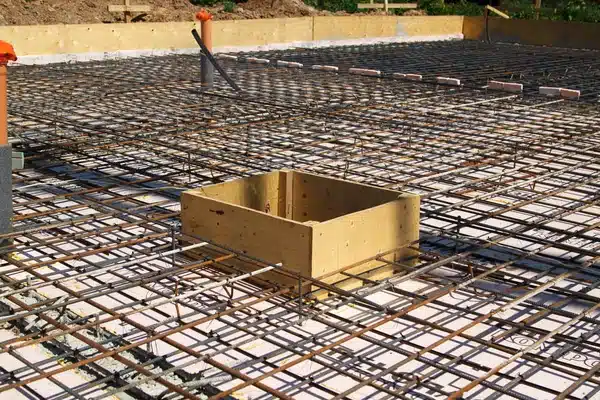
Structural engineers in Nigeria are responsible not only for designing structures but also for supervising construction activities to ensure that approved structural drawings are followed accurately.
During construction, engineers inspect:
- reinforcement placement
- concrete mixing ratios
- foundation alignment
- column positioning
- slab reinforcement layout
These inspections ensure that contractors execute construction work according to engineering specifications.
Without supervision, even well-designed buildings may develop structural weaknesses due to improper execution on-site.
Compliance With Building Regulations and Safety Standards
Construction projects must comply with government regulations and engineering safety standards before approval can be granted. Structural engineers in Nigeria help ensure that projects meet these requirements during both the design and construction stages.
They prepare structural documentation required for approvals and ensure that all reinforcement details meet safety standards recommended by regulatory authorities.
You can learn more about building compliance requirements through official regulatory resources such as:
Compliance improves construction quality and protects property owners from future legal complications.
Prevention of Structural Failure Risks
One of the most important roles of structural engineers in Nigeria is identifying potential structural risks before they become serious safety problems. Early detection allows engineers to recommend corrective solutions before damage occurs.
Examples of risks engineers help prevent include:
- foundation settlement
- reinforcement failure
- excessive beam deflection
- slab cracking
- column instability
Preventing these risks ensures that buildings remain safe for occupants and investors.
Professional structural supervision significantly reduces the chances of unexpected structural repair costs after project completion.
Supporting Cost-Effective Construction Decisions
Many people assume structural engineering increases construction costs, but the opposite is often true. Structural engineers in Nigeria help optimize material usage by designing efficient reinforcement layouts and selecting appropriate structural systems.
Efficient structural planning helps reduce:
- material waste
- unnecessary reinforcement usage
- over-design expenses
- future repair costs
This results in safer buildings delivered within realistic project budgets.
Proper engineering planning ensures that resources are used efficiently without compromising structural integrity.
Role of Structural Engineers in Long-Term Building Durability
Durability is one of the most important goals of any construction project. Buildings designed with professional engineering supervision perform better over time and require fewer maintenance interventions.
Structural engineers in Nigeria ensure buildings remain durable by:
- selecting correct foundation systems
- designing strong reinforcement structures
- supervising material placement
- ensuring proper load distribution
This long-term durability increases property value and improves investor confidence in construction projects.
Buildings constructed without proper structural engineering support often develop performance issues much earlier than expected.
Importance of Working With Qualified Structural Engineers
Working with qualified structural engineers in Nigeria provides assurance that construction projects meet safety standards from start to finish. Professional engineers coordinate with architects, contractors, and project managers to ensure smooth execution across all stages of construction.
Their involvement helps property owners avoid costly mistakes that commonly occur when construction decisions are made without technical guidance.
Choosing experienced engineering professionals ensures that buildings remain safe, compliant, and structurally reliable for many years.
Conclusion
Structural engineers in Nigeria are essential professionals in delivering safe and reliable construction projects. From site investigation and foundation design to supervision and regulatory compliance, their expertise ensures that buildings meet structural safety requirements and perform well throughout their lifespan.
Engaging qualified structural engineers in Nigeria from the early planning stage of construction projects improves safety, reduces long-term maintenance costs, and guarantees that buildings remain stable and durable for generations.