


Introduction
Quality construction materials in Nigeria are essential for building strong, safe, and durable structures. In Nigeria’s construction industry, the difference between a durable structure and a failing one often comes down to the materials used during construction.
While design and engineering are important, they cannot compensate for poor-quality materials. Buildings constructed with substandard materials may develop cracks, structural weaknesses, and safety risks over time. This is why professional construction companies emphasize material quality from the very beginning of every project.
Understanding the importance of quality materials helps property owners make better investment decisions and ensures long-term value.
Structural Strength Begins With Material Selection
The strength of any building is directly linked to the quality of materials used in its construction. Elements such as cement, sand, gravel, and reinforcement steel must meet engineering standards to ensure proper load-bearing capacity.
When low-quality materials are used, the structure becomes vulnerable to stress caused by environmental conditions such as heavy rainfall, temperature changes, and ground movement.
High-quality materials ensure that buildings remain stable and structurally sound for many years.
Durability and Long-Term Performance
Durability is one of the most important factors in construction. A well-built structure should maintain its strength and appearance over time without requiring constant repairs.
Quality materials reduce deterioration and improve resistance to wear and tear. This is especially important in regions with harsh weather conditions or unstable soil characteristics.
Investing in better materials from the start reduces maintenance costs and extends the lifespan of the building.
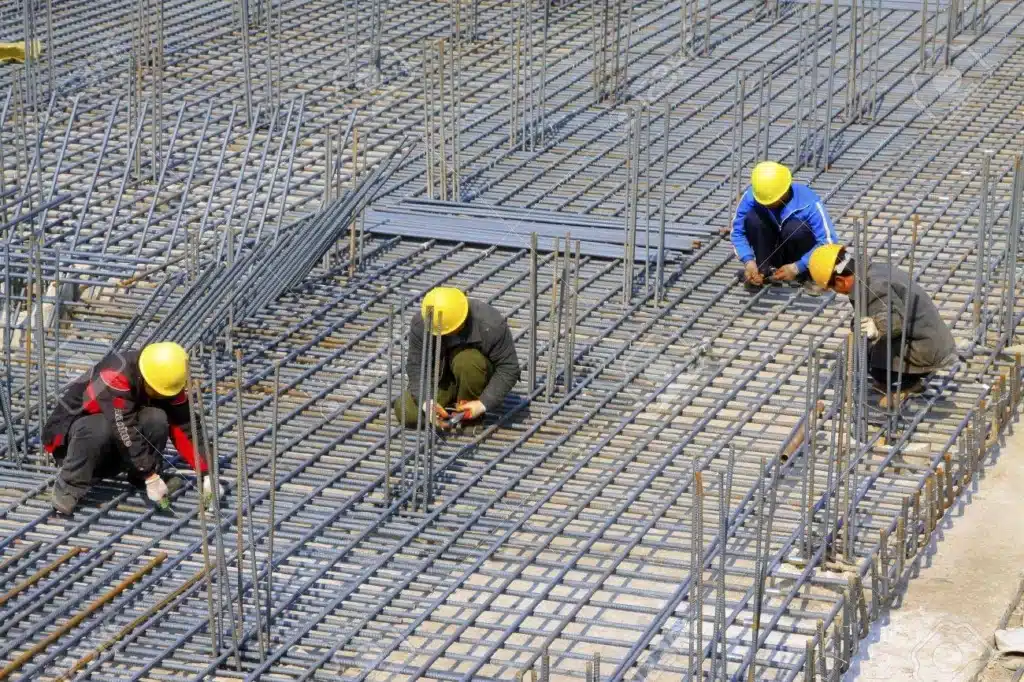
Compliance With Engineering Standards
Professional construction projects follow strict engineering standards when selecting materials. Structural engineers ensure that all materials meet required safety and performance specifications before they are used on-site.
This includes checking the quality of reinforcement steel, cement grades, and block strength to ensure compliance with building regulations.
Following these standards ensures safety, reduces risk, and improves construction reliability.
Cost Efficiency Over Time
Although high-quality materials may cost more initially, they significantly reduce long-term expenses. Poor materials often lead to frequent repairs, structural issues, and maintenance costs.
Quality materials provide better value over time because they:
- reduce repair frequency
- improve structural lifespan
- increase property value
- minimize unexpected failures
In the long run, investing in quality materials is more economical than using cheaper alternatives.
Role of Professional Construction Companies
Importance of Proper Material Testing Before Use
Experienced construction companies ensure that only approved materials are used in projects. They work closely with engineers and suppliers to maintain quality standards from foundation to finishing.
This professional oversight guarantees that every stage of construction meets safety and durability expectations.
Importance of Proper Material Testing Before Use
Before any construction material is used on-site, it is important to carry out proper quality testing and verification. This process ensures that the materials meet the required engineering standards and are suitable for the intended structural purpose.
For example, cement strength tests help determine whether it can achieve the required load-bearing capacity when mixed with aggregates. Similarly, reinforcement steel is checked for tensile strength to ensure it can withstand structural stress without failure.
Skipping material testing can lead to serious construction defects that may not be visible immediately but become critical over time. These hidden issues often result in expensive repairs or complete structural rehabilitation in the future.
Professional construction companies always prioritize material testing as part of their quality assurance process. This helps maintain consistency across all stages of construction and ensures that every component contributes to the overall strength of the building.
External Authority Insight
Learn more about construction material standards and safety regulations here:
https://www.lagosstate.gov.ng
Conclusion
Quality construction materials are essential for building safe, durable, and long-lasting structures. They influence structural strength, safety, maintenance costs, and overall project success. Working with experienced professionals ensures that the right materials are selected and properly applied throughout the construction process.